
Key Takeaways:
- Tennis Elbow and Golfer’s Elbow Affect Different Tendons: Tennis elbow causes pain on the outside of the elbow, while golfer’s elbow affects the inside. Both conditions can develop from repetitive movements, overuse, or prolonged tendon strain.
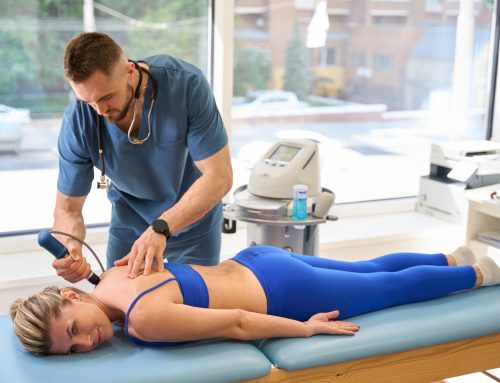
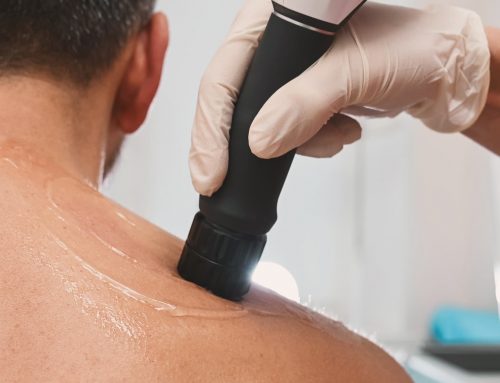
- Shockwave Therapy May Help Relieve Persistent Elbow Pain: Shockwave therapy is a non-invasive treatment option for stubborn tennis elbow and golfer’s elbow symptoms, particularly when rest, stretching, and traditional rehabilitation have not provided lasting relief.
- Combining Shockwave Therapy With Rehabilitation Supports Recovery: A personalized treatment plan that includes shockwave therapy, mobility exercises, soft tissue techniques, and progressive strengthening can help improve elbow function and reduce recurring discomfort.
- If you have elbow pain that flares up with gripping, lifting, pulling, or even a handshake, you’re not alone. Two of the most common reasons for elbow pain are tennis elbow (pain on the outside of the elbow) and golfer’s elbow (pain on the inside of the elbow).
And despite the names, you do not have to play tennis or golf to get either one.
Here’s the frustrating part: Many cases of elbow pain aren’t due to simple inflammation that settles down with a few days of rest. Numerous cases behave more like a tendon that is overloaded, irritated, and stuck in a slow-healing cycle, especially when symptoms have persisted for weeks or months.
At Whitefish Chiropractic Center, we approach stubborn elbow pain with two goals in mind:
- Help you feel better faster, so daily life isn’t a constant pain trigger.
- Build a more lasting result, so the pain does not keep boomeranging back.
A big piece of our healing strateties combine the right home rehab with in-office treatment, including shockwave therapy when it makes sense.
Tennis elbow vs. golfer’s elbow: what’s actually different?
Both tennis and golfer’s elbow involve the tendons that anchor forearm muscles into the elbow; however, they do have slight variations.
- Tennis elbow usually involves the wrist extensor tendon on the outer elbow. It often hurts with gripping, lifting a pan, turning a doorknob, or typing and mousing for long stretches.
- Golfer’s elbow usually involves the wrist flexor tendon on the inner elbow. It can flare with gripping, pulling, lifting, and other activities that load the forearm, such as yard work, climbing, or certain gym movements.
In both cases, the tendon can become irritated by repetitive loading, sudden increases in activity, or prolonged tension and poor mechanics in the wrist, elbow, and shoulder throughout the day.
Why rest & stretching sometimes are not enough
Rest, mobility work, and basic rehab can absolutely help create a better healing environment. Reducing tension in the forearm muscles, improving how the elbow joint moves, and changing how you load the tendon can help calm symptoms.
But when the tendon has been irritated for a while, the bigger issue is often that the tissue needs a stronger reset toward actual repair.
Meaning, you may need an approach that does more than reduce irritation. You need a plan that supports true tissue recovery, not just temporary pain relief.
That is where shockwave therapy can be a game-changer for the right case.
Shockwave for tennis elbow (how it fits into a full plan)
In this video, Dr. Connor Tobish walks through how shockwave therapy is used for tennis elbow, including why it can help with both short-term pain reduction and long-term tissue healing.
The key idea is this: we want to do the basics well, like mobility and home rehab, and then add a tool that helps the tendon move toward actual repair.
Focused shockwave for tennis elbow (why the “type” can matter)
Not all shockwave is the same.
On our Whitefish Chiropractic Center site, you will find the differences between focused shockwave and radial shockwave, and how we choose based on tissue depth, the exact pain generator, and how long it has been going on.
Note that focused shockwave can be used directly over bony areas with less irritation while still targeting the affected tendon tissue.
That matters for tennis elbow, because the tender spot often sits right at the bony attachment.
Shockwave for golfer’s elbow (same concept, different tendon)
Golfer’s elbow follows a very similar pattern. You can calm things down by reducing forearm tension and improving joint mechanics, but stubborn cases often need help moving from irritated to repairing.
Shockwave is one of the tools that can help make that shift, while also reducing trigger points and muscle tension in the forearm.
The step-by-step plan we like for stubborn elbow pain
While every case differs, below we offer a general framework that may help relieve your elbow discomfort, especially when symptoms have been lingering.
Step 1: Calm the constant aggravation loop
If you keep working the affected area, the tendon never gets a break.
Common examples:
- Lifting with the palm down and a locked elbow
- Death-gripping weights, tools, or steering wheels
- Repeating the same wrist angle at a desk setup for hours
This step often includes small technique changes, short-term activity modifications, and reducing unnecessary tension in the forearm.
Step 2: Restore motion & reduce forearm tension
When the wrist, elbow, and shoulder do not move well together, the tendon gets overloaded.
This phase can include:
- Soft tissue work to reduce stubborn trigger points and tone
- Joint motion work to help the elbow and surrounding joints glide better
- Simple home mobility, focused on the specific muscles that feed into the painful tendon
Step 3: Reload the tendon the right way
This is the part many people skip.
Tendons tend to respond best when we progressively load them, not when we avoid load forever.
The trick is choosing the right type of load at the right time. A responsible plan often uses graded strengthening to build tendon capacity without constantly flaring symptoms.
Step 4: Add shockwave treatment when progress stalls, or when the tendon needs a stronger push
Shockwave is often a good option when:
- You have been dealing with the issue for weeks or months
- You have tried rest, stretching, and basic rehab, and it keeps coming back
- The pain is stubborn, and function is limited
Shockwave therapy is commonly used as part of a dynamic strategy utilizing other natural services, not as a standalone magic trick.
On our Whitefish chiropractic clinic’s shockwave page, you can learn more about this non-invasive approach that we often use when other conservative options have not been enough.
What a shockwave visit usually feels like
People often ask, “Is shockwave therapy painful?”
With elbow tendons, you will typically feel some sensitivity directly over the involved attachment point, with less discomfort in the surrounding forearm muscle.
Because patients’ comfort levels vary, as does their injury progression, some may find the treatment offers more discomfort than others; however, most of our patients describe shockwave therapy as uncomfortable, but not painful.
The treatment itself is relatively quick, and many people notice meaningful symptom reduction as the plan progresses. The goal is not to simply mask pain. The goal is to support better tissue quality and better function over time.
When you should get checked, instead of guessing
If any of the below are true, it’s worth getting a chiropractic evaluation:
- Your grip strength is dropping, or you are avoiding using the arm
- Symptoms have lasted more than a few weeks
- You have tried rest and stretching, and it keeps returning
- Pain is affecting training, work, or sleep
- You are not sure if it is tennis elbow, golfer’s elbow, or something else
You don’t have to figure out the perfect treatment strategy on your own. Our chiropractic care team will help identify what’s driving the pain, confirm which tendon is involved, and map out the simplest plan that gets you moving with comfort and confidence again.
Frequently Asked Questions
1. What is the difference between tennis elbow and golfer’s elbow?
Tennis elbow affects the tendons on the outside of the elbow, typically causing pain during gripping, lifting, or repetitive wrist movements. Golfer’s elbow affects the tendons on the inside of the elbow and can cause discomfort during pulling, lifting, and other activities that strain the forearm. Both conditions can develop from repetitive movements and tendon overuse.
2. Can shockwave therapy help with tennis elbow and golfer’s elbow?
Shockwave therapy is a non-invasive treatment option that may help relieve persistent tennis elbow and golfer’s elbow symptoms, particularly when rest, stretching, and basic rehabilitation have not provided lasting relief. Whitefish Chiropractic Center uses shockwave therapy alongside mobility exercises, soft-tissue techniques, and progressive strengthening to support tendon recovery.
3. Why might tennis elbow or golfer’s elbow pain persist despite rest and stretching?
Persistent elbow pain may occur when tendons remain irritated from repetitive loading, prolonged tension, or poor movement mechanics. While rest and stretching can help reduce symptoms, the article explains that some cases require a more comprehensive approach involving activity modifications, improved joint mobility, progressive strengthening, and potentially shockwave therapy.
4. Does shockwave therapy hurt when treating elbow pain?
Patients may experience sensitivity around the affected tendon attachment during shockwave therapy. According to Whitefish Chiropractic Center, most patients describe the treatment as uncomfortable rather than painful, although individual experiences vary depending on the condition and personal comfort level.
5. When should you seek chiropractic care for persistent elbow pain?
Whitefish Chiropractic Center recommends an evaluation when elbow pain lasts more than a few weeks, keeps returning after rest or stretching, affects work, exercise, or sleep, or causes reduced grip strength. An examination can help identify the affected tendon and determine whether rehabilitation, shockwave therapy, or other chiropractic treatments may be appropriate.
Ready for a clear path to real & lasting recovery?
If you are dealing with stubborn elbow pain and want a plan that goes beyond temporary relief, Whitefish Chiropractic Center is prepared to support your healing journey.
We will assess the tendon, the surrounding mechanics, and your day-to-day demands, then recommend a targeted combination of rehab and in-office care, including shockwave therapy when appropriate.